
Making an independent film is hard. Getting people to watch it is harder. Every year, thousands of indie films are completed, shot on tight budgets, edited in bedrooms, scored by a friend who “does music on the side”, and most of them disappear without a trace.
This reality is the uncomfortable truth for most independent filmmaking: a great story is no longer enough. You need a deliberate, well-timed, audience-first indie film marketing strategy that starts long before your premiere and continues long after it. This guide breaks down exactly how to build one, from defining your audience to distribution, PR, crowdfunding, and the metrics that actually matter.
Whether you’re a first-time director with a micro-budget short or a seasoned indie producer prepping a festival run, this is your roadmap.
What Is Indie Film Marketing Strategy?
An indie film marketing strategy is the plan you use to build awareness, generate demand, and convert interest into ticket sales, streams, or rentals for a film made outside the traditional studio system. Unlike major studio releases, which lean on massive ad budgets and pre-existing IP, independent films succeed through grassroots marketing, community-building, and storytelling that goes beyond the screen.
It’s not just a poster and a trailer dropped on release day. A real strategy covers:
- Audience research and positioning
- Brand and story development
- Pre-production and production-stage buzz building
- Festival strategy and premiere planning
- Public relations and press outreach
- Social media and content marketing
- Email list growth
- Distribution and monetization planning
- Post-release measurement and optimization
Think of marketing not as something that happens after your film is finished, but as a parallel production running alongside it from day one.
Why Indie Filmmakers Need a Marketing Strategy Before Production Ends
One of the most common — and most costly — mistakes indie filmmakers make is treating marketing as an afterthought. Many wait until post-production, or worse, until a festival acceptance email lands in their inbox, before they think seriously about how they’ll reach an audience.
By then, it’s often too late to build the kind of engaged following that actually converts into paying viewers.
A modern indie film marketing strategy should begin the moment you start pre-production. Behind-the-scenes content, casting announcements, table reads, and location scouting footage are all marketing assets in disguise. They let you start building a community around your project long before there’s a finished film to sell.
The filmmakers who succeed today treat audience-building the same way they treat financing or casting: as a core production responsibility, not a bonus task. If you don’t have a group of people genuinely anticipating your release before your trailer even drops, you’re starting your marketing campaign from zero — and zero is a very hard place to build momentum from.
9 Practical Steps To Building Your Indie Film Marketing Strategy
Know Your Audience
Before you write a single social media post, you need absolute clarity on who your film is for. “Everyone” is not an audience, it’s a marketing dead end.
Ask yourself:
- What genre conventions does my film follow, and who already loves that genre?
- What films, shows, or filmmakers would my ideal viewer compare mine to?
- Where does this audience already gather online — Reddit threads, Letterboxd lists, TikTok niches, Discord servers?
- What emotional need does my film satisfy for them (catharsis, escapism, representation, nostalgia)?
This audience research should shape everything downstream — your trailer cut, your poster design, your press pitch angle, and even which festivals you submit to. A horror film chasing genre-obsessed TikTok audiences needs a very different rollout than a quiet character drama aiming for arthouse cinephiles.
Craft a Compelling Brand Story Around Your Film
Every film needs a story about itself, separate from the plot. Why did you make it? What was the struggle behind it? What makes it different from the hundred other films competing for the same eyeballs?
This “making-of” narrative is often more relatable — and more shareable — than the film’s actual synopsis, especially in the early stages. Audiences root for underdogs. A compelling origin story humanizes your project and gives journalists, festival programmers, and casual viewers a reason to care before they’ve even seen a frame.
Build Pre-Launch Buzz on Social Media
Social media has become the primary battleground for indie film marketing, and for good reason — it’s largely free, highly targeted, and rewards creativity over budget. A few practical tactics:
- Document, don’t just promote. Share raw, authentic behind-the-scenes moments rather than polished ads. Audiences respond to process, not just product.
- Use platform-native formats. A TikTok or Reels clip built for that platform’s algorithm will outperform a repurposed trailer cut every time.
- Build anticipation with countdowns, teasers, and cast reveals rather than saving everything for one big trailer drop.
- Engage niche communities directly. Genre-specific subreddits, Letterboxd lists, and Discord servers can generate outsized word-of-mouth if you participate authentically rather than just dropping links.
There’s a well-known case of a micro-budget horror film that built an enormous following almost entirely through organic TikTok reaction videos after early screening footage leaked — proving that with the right audience fit, a small film can generate outsized digital buzz without a traditional ad budget.
Leverage Film Festivals for Exposure
Festivals remain one of the most effective launchpads for independent films, offering press coverage, industry connections, and audience validation all in one place. But not every festival is worth your submission fee.
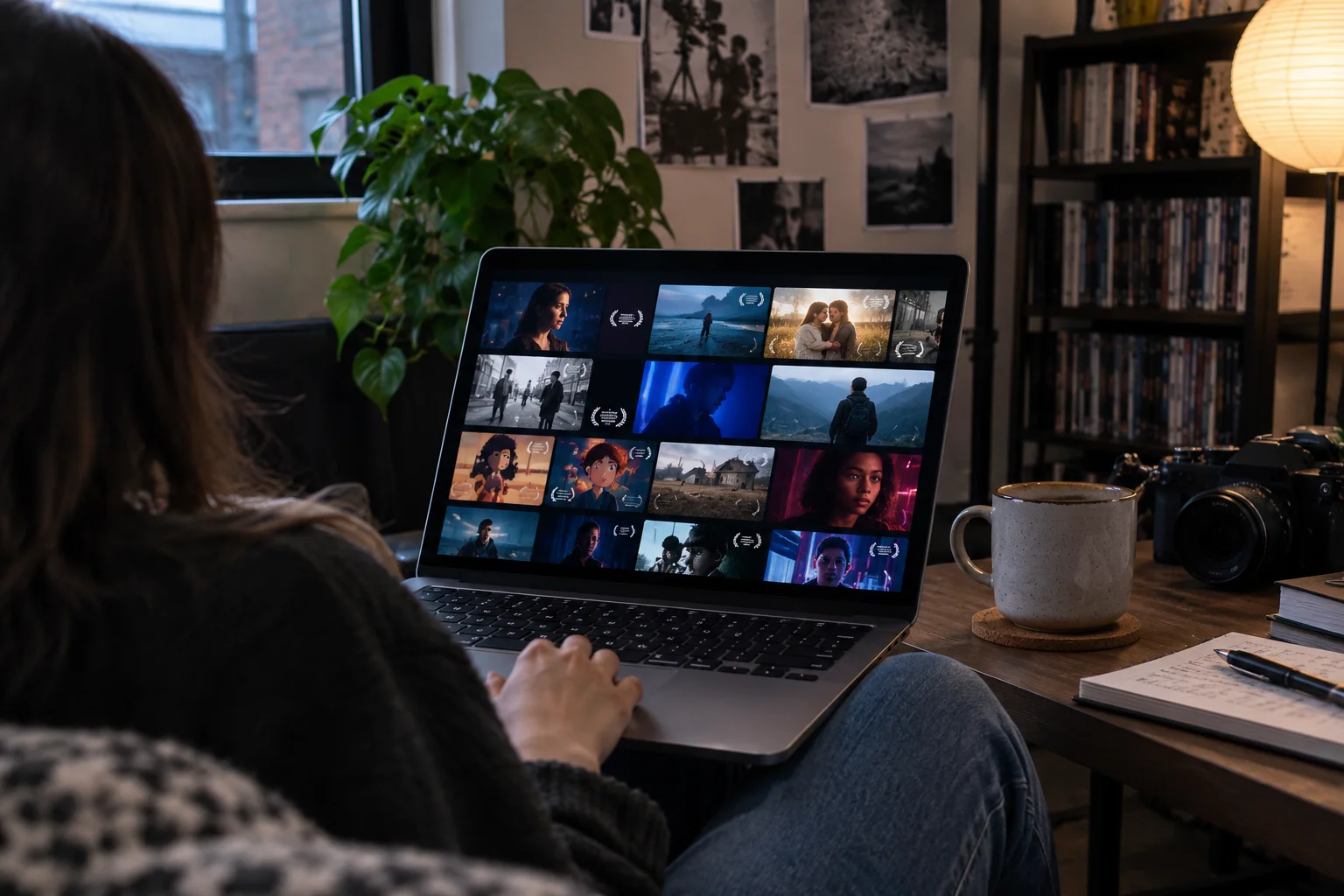
Before submitting, research a festival’s track record with films similar to yours, its press presence, and whether past selections went on to secure distribution. Platforms like FilmFreeway make it easy to research and apply to festivals worldwide, and many offer fee waivers for filmmakers on tighter budgets. A festival laurel earned strategically can become a powerful trust signal on your poster, press kit, and social media.
Content Marketing and SEO for Your Film
Your film needs a home base online — typically a simple website featuring your trailer, synopsis, cast and crew bios, festival laurels, press mentions, and a clear call-to-action for where to watch. This site should be optimized around searchable terms your audience is actually typing in, such as your film’s title, genre-specific search terms, and your director or lead actor’s name.
Beyond the website, consider a blog or press page covering your production journey. Well-written, keyword-conscious content — think “how we made [film title] on a micro-budget” — can rank in search engines long after your festival run ends, continuing to drive discovery.
Email Marketing and Newsletter Building
Social media platforms control your reach; your email list doesn’t. That’s why building an email list from day one of production is one of the highest-leverage things an indie filmmaker can do. Unlike a follower count, a subscriber list is an owned audience you can reach directly, without fighting an algorithm.
Use your list to share behind-the-scenes updates, screening announcements, crowdfunding milestones, and exclusive content. This nurtures a smaller but highly committed group of people who are far more likely to actually show up, buy a ticket, or share your release with their own networks.
If you’re building your own filmmaking or creative brand alongside your project, this is exactly the kind of relationship-building Greenroad Nigeria Limited helps creators and businesses do well, through consistent, story-driven communication that turns casual followers into genuine supporters. You can see this approach in action by subscribing to our newsletter for ongoing marketing insights.
Influencer and Press Outreach
Traditional press coverage still carries weight, but influencer partnerships have become equally, sometimes more valuable for indie films, especially within tightly defined genre communities. The key is finding creators whose existing audience genuinely overlaps with your film’s target viewer, rather than chasing the largest follower count available.
For press outreach, craft a tight, specific pitch angle. Journalists and bloggers are far more likely to cover “the true story behind our $15,000 horror film” than a generic “please review my movie” email. Personalize every pitch, and always make it easy for press to say yes by including a press kit with high-resolution stills, a synopsis, and screener access.
Crowdfunding as a Marketing Tool
If you’ve run a crowdfunding campaign, don’t let those relationships go cold once the money’s in the bank. Your backers are your earliest, most invested audience members. Keep them engaged with exclusive updates, early access to content, and behind-the-scenes footage — and give them simple ways to spread the word, such as shareable social assets or referral incentives.
Backers who feel like genuine collaborators, rather than one-time donors, become your most reliable word-of-mouth marketers when the film finally releases.
Distribution Strategy and Platform Planning
Marketing and distribution are two sides of the same coin — a brilliant campaign means little if viewers have nowhere convenient to actually watch your film. Common indie distribution routes include:
- Self-distribution via platforms like Vimeo On Demand or your own website
- Aggregator services such as Filmhub, which push your film to multiple VOD platforms
- Streaming submissions to Amazon Prime Video, Tubi, or similar AVOD platforms
- Limited theatrical or hybrid releases through local independent theaters
- Traditional sales agents and distribution deals, for films with strong festival traction
Many industry experts now recommend allocating roughly equal resources to production and audience development — the so-called “50/50 rule” — because a finished film with no distribution or marketing plan behind it is far more likely to disappear on release than one where both were planned together from the start.
7 Mistakes Indie Filmmakers Make in Marketing
Even talented filmmakers fall into predictable traps. Watch out for these:
- Starting too late. Waiting until post-production to think about marketing means starting your audience-building from zero.
- Chasing everyone instead of someone. A vague “for general audiences” approach dilutes your message and wastes limited resources.
- Over-relying on one platform. Building your entire following on a single social app is risky if algorithms or policies shift.
- Ignoring analytics. Vanity metrics like views and likes don’t pay bills — track what actually converts into ticket sales, rentals, or subscribers.
- Underinvesting in the trailer. Your trailer is often the single biggest driver of interest; it deserves as much craft as your film itself.
- Skipping the email list. Relying solely on social media reach instead of building an owned audience you can contact directly.
- Submitting to festivals blindly. Applying to every festival without research wastes both money and time.
Budget-Friendly Marketing Tactics for Indie Films
You don’t need a Hollywood budget to run an effective campaign. Consider:
- Organic social content — behind-the-scenes clips, cast interviews, and process videos cost nothing but time and consistency.
- Community screenings — host a small local screening with a Q&A to build word-of-mouth and press interest.
- Micro-influencer collaborations — smaller, niche creators often have more engaged (and more affordable) audiences than major names.
- Press releases via free or low-cost distribution tools — local newspapers and niche blogs are often more receptive to indie stories than national outlets.
- Fee-waived festival applications — many festivals offer waivers for filmmakers who can’t afford entry fees; it’s always worth asking.
- Cross-promotion with other indie creators — pooling audiences with filmmakers in a similar space benefits everyone involved.
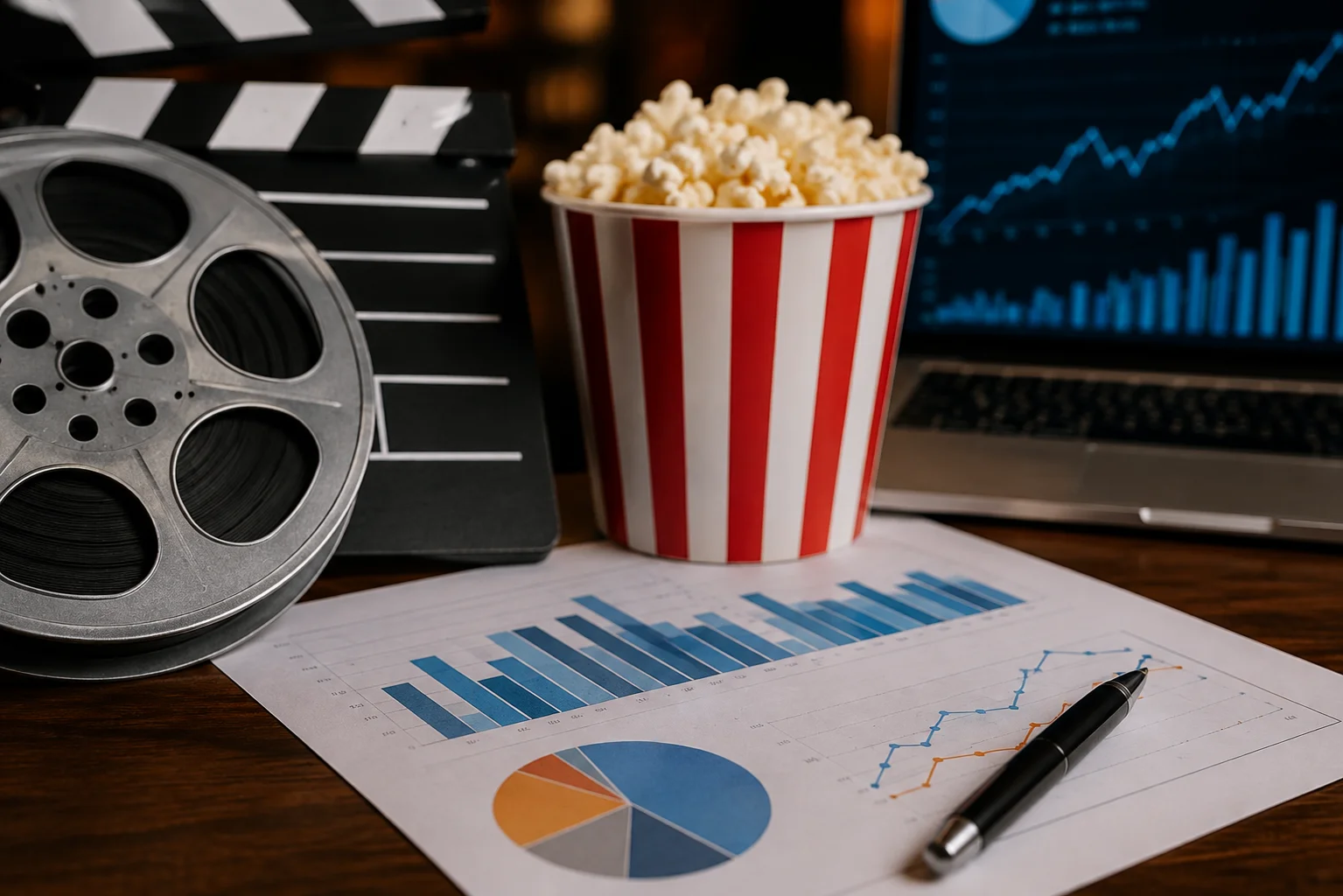
KPIs for Indie Film Marketing
A strategy without measurement is just guesswork. Track these key performance indicators throughout your campaign:
- Email list growth rate — how quickly is your owned audience expanding?
- Trailer view-through rate — are people watching to the end, or dropping off early?
- Website traffic and conversion rate — how many visitors take a meaningful action (signing up, buying a ticket, clicking to watch)?
- Social engagement rate versus follower count — engagement matters more than raw numbers.
- Festival acceptance-to-application ratio — is your submission strategy actually working?
- Cost per acquisition — how much are you spending to acquire each ticket sale, rental, or subscriber?
- Press mentions and backlinks — are you earning coverage that also strengthens your film’s search visibility?
Modern indie marketing has shifted away from vanity metrics toward performance metrics that can be traced directly to real outcomes — ticket sales, rentals, and subscriber growth — rather than just impressions or likes.
Conclusion
A strong indie film marketing strategy isn’t a single tactic — it’s a mindset. It means treating your audience as a community to be built, not a transaction to be closed on release day. It means starting early, staying consistent, measuring what matters, and being willing to get creative when your budget doesn’t stretch as far as your ambition.
The independent filmmakers who break through aren’t necessarily the ones with the biggest budgets. They’re the ones who understood, early on, that a film without an audience is just a file on a hard drive — and who did the patient, unglamorous work of building that audience one genuine connection at a time.
If you’re planning a film launch, brand campaign, or content strategy and want experienced hands guiding the process, Greenroad Nigeria Limited can help you build a marketing plan tailored to your project and audience. Reach out to our team here to talk through your strategy, and don’t forget to sign up for our newsletter for more practical marketing insights delivered straight to your inbox.
Frequently Asked Questions
When should I start marketing my indie film?
Ideally, marketing should begin during pre-production — not after your film is finished. Early behind-the-scenes content and audience-building give you real momentum by the time you’re ready to launch.
How much should an indie filmmaker budget for marketing?
There’s no fixed number, but many industry experts suggest treating marketing and distribution as roughly equal in importance to production itself. Even a modest, consistently executed strategy will outperform a large one-time ad spend with no follow-through.
Do I need a publicist for my indie film?
Not necessarily. Many filmmakers successfully handle their own press outreach, especially for smaller releases. A publicist becomes more valuable as your festival ambitions and release scale grow.
What’s the single most important marketing asset for an indie film?
Your trailer. It’s usually the first — and sometimes only — piece of content a potential viewer will engage with, so it deserves significant creative attention.
Should I focus on social media or email marketing?
Both, but don’t neglect email. Social platforms are useful for discovery and reach, but your email list is an owned audience you control directly, making it one of the most reliable tools for converting interest into actual views or sales.
How do I find the right festivals for my film?
Research festivals that have a track record of programming films similar to yours in genre, tone, and budget. Look at where past selections ended up — did they secure distribution or press coverage? That’s a stronger signal than prestige alone.