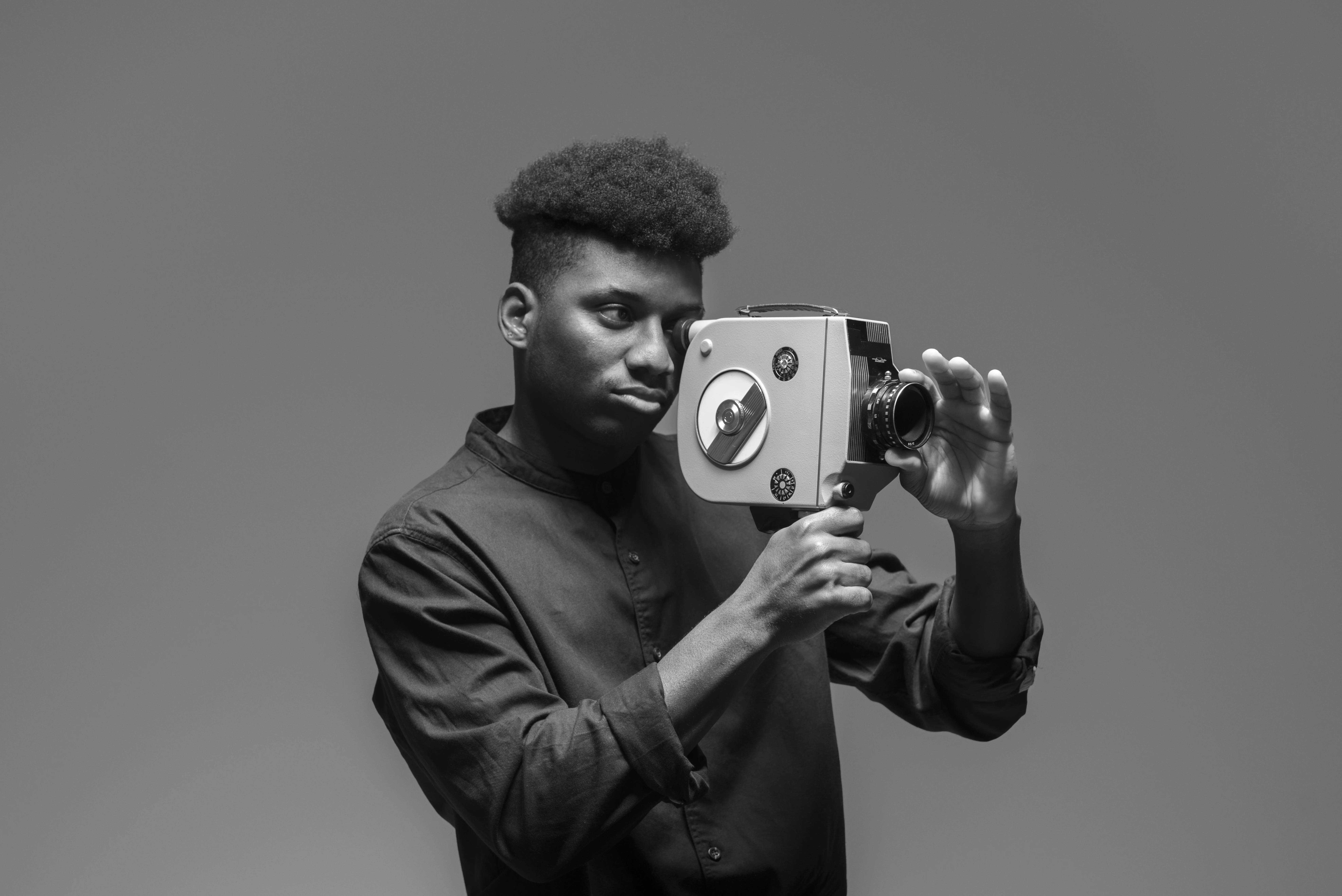
You finished your film. That alone is an achievement most people who “want to make a movie someday” never reach. But now comes the part you were not warned about: getting people to watch it. And if your production budget is already spent on cast, crew, gear rentals, and one too many pizza-fuelled night shoots, the idea of “marketing a film with no budget” can feel like a cruel joke.
Here’s the good news. An empty wallet does not have to mean a tiny or no audience. Some of the most talked-about independent films in history were marketed almost entirely on creativity, timing, and hustle rather than cash. What separates the films that find an audience from the ones that disappear is how intentionally that non-existent budget is used.
For most filmmakers, we have decided to put up this guide in order to show and break down exactly how to market a film with no money, step by step, using strategies that independent filmmakers, first-time directors, and lean production teams can realistically pull off.
Why Film Marketing Still Matters, Even at Zero Budget
It’s tempting to assume marketing is a “big studio problem.” It isn’t. Every year, thousands of independent films are completed and never seen beyond a small festival crowd or a private link shared with friends and family. A film with no marketing plan is a film that relies entirely on luck, and luck is not a strategy.
Marketing, at its core, is simply communication — telling the right people, in the right places, why your film matters to them. That doesn’t require a media buying budget. It requires clarity about who your audience is and consistency in reaching them. If you’d like a deeper breakdown of what a full indie film marketing strategy looks like once your groundwork is in place, that’s a useful companion resource to this guide.
Start With Your Story, Not Your Spend
Before you touch a single social media app, get brutally clear on one thing: why should anyone care about this film? Not the plot summary — the emotional hook. Is it the true story behind it? The unconventional way it was shot? A performance that will make people talk?
Films with no marketing budget succeed when the story of the film — or the story of making it — becomes the marketing itself. Audiences today are far more interested in authenticity than polish. A behind-the-scenes clip of your crew problem-solving a broken generator on set often performs better than a slick, expensive-looking trailer, because it feels real. In fact, marketing experts who study independent releases have pointed out that a rougher, low-budget aesthetic can actually work in a filmmaker’s favour with online-native audiences who are naturally skeptical of anything that feels overly corporate or “salesy.”
Action Step: Write down three reasons someone who has never met you would care about your film. If you can’t answer this clearly, your marketing angle isn’t ready yet.
Build Your Audience Before the Film Is Even Finished
One of the biggest mistakes independent filmmakers make is treating marketing as something that starts after the film wraps. By then, you’ve lost months of potential audience-building time.
Start documenting the journey from pre-production. Share casting moments, table reads, location scouting, and early concept art. This does two things: it creates a paper trail of authentic content you can repurpose later, and it builds a small but genuinely invested community that will be first in line when the film is ready — and far more likely to share it with others.
If you’re also thinking ahead about how the film will eventually reach viewers, it helps to understand how a film distribution deal actually works long before you need one, so your marketing efforts align with a realistic release plan rather than working against it.
Master Organic Social Media (Without Burning Cash on Ads)
You don’t need an ad budget to make social media work — you need consistency and platform intelligence.
Pick the platform your audience already lives on
Don’t spread yourself across every platform. A horror short might thrive on TikTok and Reddit horror communities. A drama rooted in Nigerian family life might do better on Facebook and Instagram, where a large, engaged Nigerian diaspora audience is active. Go where your specific audience already gathers instead of trying to be everywhere.
Lean into behind-the-scenes and process content
People are drawn to the humans behind a project, not just the finished product. Sharing what went wrong, what almost didn’t work, and the moments of triumph on set builds an emotional connection long before anyone has seen a single frame of the finished film.
Use hashtags, challenges, and community trends strategically
Case studies from small U.S. independent releases have repeatedly shown that films with little to no ad spend can spark real word-of-mouth momentum simply by tapping into existing social media trends, encouraging user-generated content, and leaning on genuine online buzz rather than paid promotion.
Engage, don’t just broadcast
Reply to every comment. Join relevant filmmaking, genre, and regional groups (respectfully, not with spam links). Social platforms reward accounts that spark conversation, not accounts that only post one-way announcements.
Turn Your Cast and Crew Into a Marketing Army
Your cast, crew, and even extras already have social followings — use them. Ask each person involved in the production to share behind-the-scenes moments, tag the project, and post about their experience once you’re ready for public promotion.
This is not exploitative if it’s framed correctly: most creatives are proud to have their work seen and are happy to help amplify it, especially if you make it easy for them by providing pre-written captions, key art, and short clips they can simply repost. Ten people each reaching a few hundred followers can outperform a single account with a modest reach, purely because of the trust factor — people engage more with content shared by someone they personally know.
Leverage Film Festivals and Free Press Opportunities
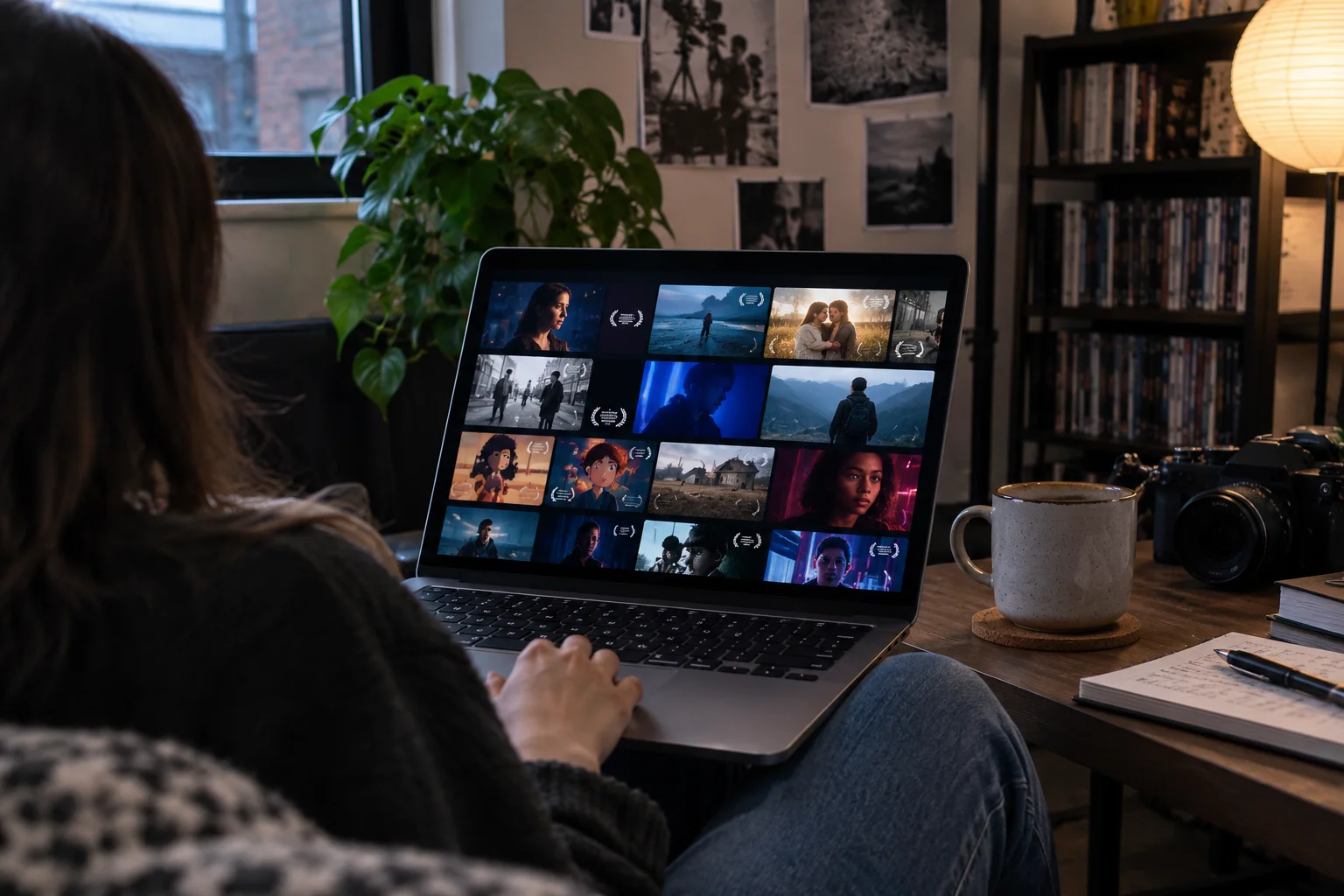
Film festivals remain one of the most cost-effective marketing tools available to independent filmmakers, even beyond the prestige of an official selection. A festival laurel is instant, free credibility you can use across your poster, trailer, and social media.
Beyond festivals, pitch your story to entertainment blogs, regional news outlets, podcasts, and niche online publications. Most people assume press coverage requires a publicist, but thousands of smaller entertainment websites are actively looking for original stories and are far more accessible than mainstream outlets. A well-written pitch — focused on an interesting human angle rather than “please cover my film” — can land free coverage that would otherwise cost thousands in PR fees.
Build an Email List and Use Newsletter Marketing
Social media algorithms change constantly and can bury your content overnight. An email list is the one audience-building tool you fully own and control. Every person who joins your list, whether through a landing page, a link in your social bio, or a QR code at a screening, is someone you can reach directly the moment your film is ready.
Keep it simple: a short “join our journey” message with occasional updates, exclusive behind-the-scenes content, and an early notification when tickets or streaming links go live is enough to build genuine anticipation.
This is also a good moment to mention that if you’d like ongoing, practical insights on film marketing and distribution as they’re published, you’re welcome to sign up to the Greenroad Nigeria Limited newsletter for updates that can support your own campaign planning. One major ways of building email list or using a newsletter is to partner with agencies like GDA Digital Solutions.
Partner With Micro-Influencers and Niche Communities
You don’t need a celebrity endorsement. Micro-influencers — creators with a few thousand highly engaged followers in your film’s specific niche — often deliver better results than someone with millions of disengaged ones. A horror TikTok reviewer, a Nollywood commentary page, or a regional YouTuber who covers local film can introduce your project to exactly the right audience.
The key is relevance over reach. Look for creators whose existing audience already overlaps with your film’s themes, genre, or setting, and offer them early access or an exclusive clip in exchange for coverage.
Repurpose Everything You Create
With no budget, your time is your currency, so make every piece of content work harder. One day of behind-the-scenes filming can become:
- A short teaser clip for Instagram Reels and TikTok
- A longer “making of” video for YouTube
- Quote graphics for Twitter/X
- A blog post or newsletter update
- Talking points for a podcast pitch
This single-source, multi-format approach means you’re not constantly starting from scratch, which is critical when you’re doing marketing alone or with a tiny team.
Use Free and Low-Cost Tools for Your Poster, Trailer, and EPK
You don’t need an expensive design agency to produce professional-looking marketing assets. Free or low-cost tools like Canva for poster design, CapCut or DaVinci Resolve for trailer editing, and simple website builders for a one-page Electronic Press Kit (EPK) can get you to a polished result without a big spend. Your EPK should include a synopsis, stills, key cast and crew bios, and contact information — this is often the first thing a festival programmer, journalist, or potential distributor will ask for.
Try Grassroots and Guerrilla Marketing Tactics
Guerrilla marketing has a long history in independent film precisely because it works when money doesn’t exist. Think back to how a small horror feature turned a fake “missing persons” story into a cultural phenomenon decades ago, or how modern indie horror teams have used countdown clips and reaction videos with genre-specific creators to build pre-release buzz. None of it required a large spend — it required a clever idea, executed with confidence.
On a smaller, local scale, this could look like:
- Hosting a free or low-cost community screening in your hometown and inviting local press to cover it
- Partnering with a local business, cinema, or cultural organisation for a joint promotion
- Creating a simple, shareable piece of content connected to your film’s theme (a quiz, a challenge, a short interactive story) rather than just promoting the film directly
- Printing a small run of posters or flyers for community boards, film schools, and local cafés, especially where your target audience naturally gathers
The goal with guerrilla marketing isn’t scale — it’s memorability. One well-executed, talked-about local activation can generate far more organic word-of-mouth than a generic post that scrolls past unnoticed.
Consider Small, Targeted Paid Boosts Once You Have Some Traction
“No budget” doesn’t always mean zero forever — sometimes it means starting at zero and reinvesting small wins. Once you have some organic traction, even a very small boosted post (targeted narrowly by location or interest) can meaningfully extend your reach for a screening or release date. Filmmakers who have four-walled a theatrical run in their hometown, for example, have found that a modest, tightly targeted local ad spend around a screening date can noticeably lift ticket sales, precisely because the audience is so specific. The lesson here isn’t to abandon a no-budget approach, but to know that a small, well-timed reinvestment — funded by early sales, a successful fundraiser, or pre-sale income — can amplify work you’ve already done organically.
Plan Your Distribution Strategy Early — Marketing and Distribution Go Together
No-budget marketing works best when it’s aimed at a clear destination. Are you targeting a festival run, a theatrical four-wall release, a streaming platform, or direct-to-audience sales? Each path calls for a slightly different marketing emphasis.
If a platform like Netflix is part of your long-term goal, it helps to understand realistically how to get your film on Netflix and what independent filmmakers actually need before pitching. If you’re weighing streaming options more broadly, this breakdown of the best VOD platforms for indie films is worth reviewing so your marketing push lines up with a platform your audience can actually access.
It’s also worth exploring whether pre-selling your film or licensing specific rights early could generate the seed funding needed to expand your marketing reach later, even if you started with nothing.
This is exactly the kind of strategic planning that a distribution and marketing partner like Greenroad Nigeria Limited helps independent filmmakers navigate — connecting African stories with the right platforms, audiences, and markets so a no-budget campaign has somewhere real to land.
Mistakes Filmmakers Make When Marketing With No Budget
- Waiting until the film is finished to start marketing. By then, you’ve lost months of audience-building momentum.
- Trying to be on every platform at once. This spreads your limited time too thin and dilutes your message.
- Ignoring the power of a mailing list. Social reach is borrowed; an email list is owned.
- Skipping the EPK. Journalists, festival programmers, and distributors move faster when the basics are ready to hand over.
- Treating marketing as a final step rather than an ongoing relationship. The strongest no-budget campaigns build community, not just a single announcement.
Conclusion
Marketing a film with no budget isn’t about finding a shortcut around hard work — it’s about redirecting your effort toward the things that don’t cost money: authenticity, consistency, relationships, and timing. The filmmakers who succeed at this aren’t necessarily the most well-funded; they’re the ones who treat their non-existent marketing budget as a creative challenge rather than a dead end.
Start early, tell a real story, build a community before you need one, and make sure your marketing efforts are pointed toward a clear distribution goal. If you’d like guidance on turning that groundwork into an actual release strategy, the team at Greenroad Nigeria Limited works with independent filmmakers across Africa and beyond to connect stories with the right platforms and audiences.
Ready to talk through your film’s marketing and distribution strategy? Contact Greenroad Nigeria Limited to start the conversation, and don’t forget to sign up for the newsletter for ongoing insights on film marketing, distribution, and the global film market.
Frequently Asked Questions
Can you really market a film with absolutely no money?
Yes. It requires more time and creativity than a paid campaign, but organic social media, press outreach, community building, and festival strategy have all proven effective for independent films with little to no marketing spend.
What is the cheapest way to promote an independent film?
Behind-the-scenes content shared consistently on social media, combined with an email list and genuine community engagement, is generally the most cost-effective approach because it relies on time rather than money.
How early should I start marketing my film?
Ideally, from pre-production. Building an audience before the film is finished gives you a base of engaged followers ready to watch and share it on release.
Do I need a publicist to get press coverage?
Not necessarily. Many smaller entertainment blogs, podcasts, and regional outlets are open to direct pitches from filmmakers, especially when the pitch focuses on an interesting story angle rather than a generic press release.
Should I focus on social media or festivals first?
Both work together rather than competing. Festivals build credibility and open networking opportunities, while social media keeps your audience engaged between milestones. A combined approach tends to outperform relying on just one.
How does marketing connect to distribution?
Marketing builds the audience; distribution gives them somewhere to actually watch the film. The two should be planned together from an early stage rather than treated as separate, sequential problems.